
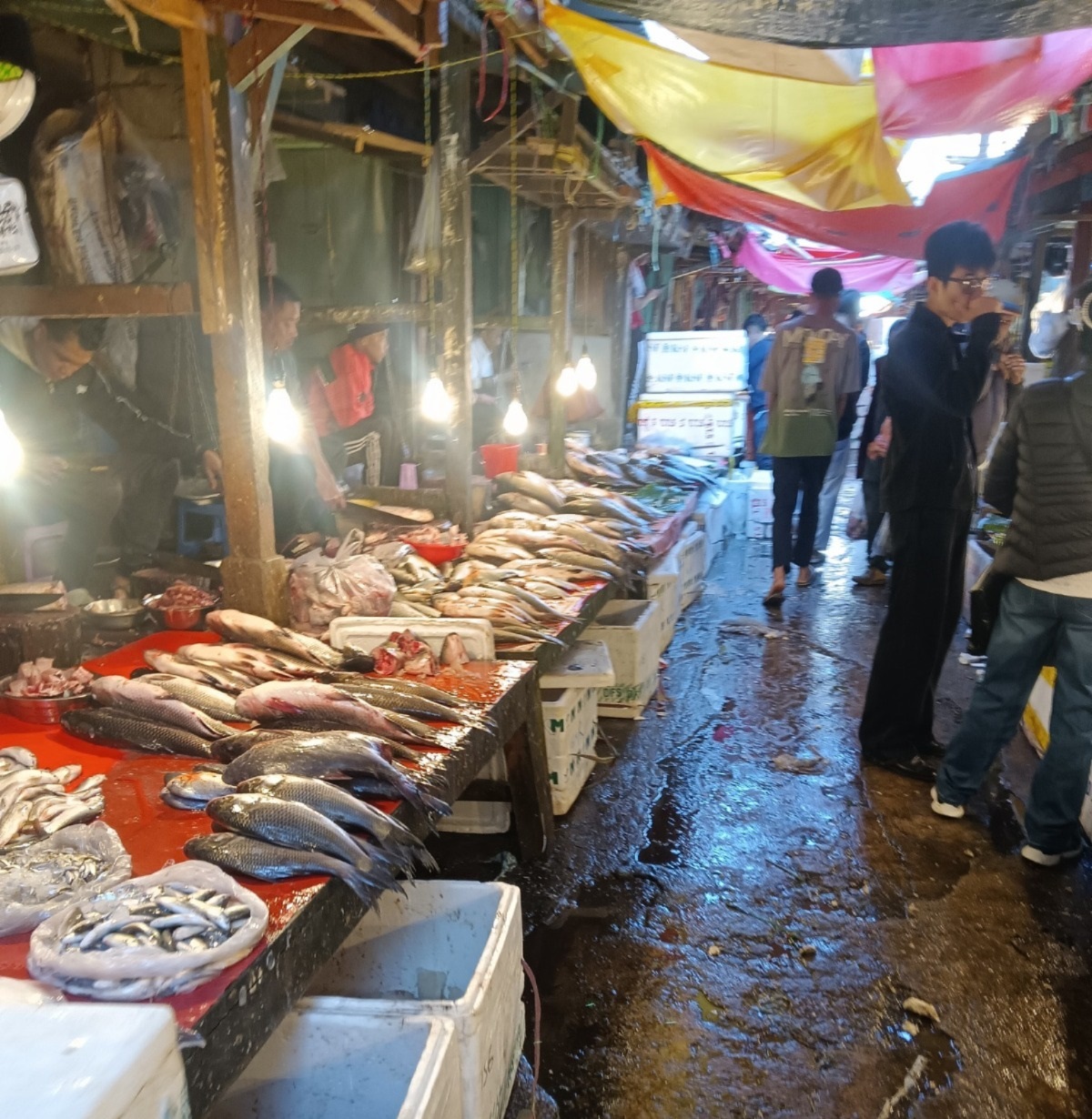
In a significant action aimed at safeguarding public health, bio-security, and the local economy, the District Magistrate of East Khasi Hills has enacted an immediate prohibition on the transportation, storage, sale, and distribution of fish illegally imported from Bangladesh. This ban is enforced under Section 163 of the Bharatiya Nagarik Suraksha Sanhita (BNSS), 2023, which outlines strict measures against the movement and marketing of such fish lacking valid legal documentation. The order also prohibits the use of any vehicle, vessel, or other conveyance for these purposes and bars any assistance to individuals or groups engaging in the illegal trade.
The measure comes in response to alarming reports concerning the large-scale smuggling of fish from Bangladesh through various channels, including border routes and market points. Authorities have underscored multiple serious risks associated with this illegal activity, which includes violations of Customs, Import-Export, and Food Safety laws, the potential introduction of harmful aquatic species into local ecosystems, and threats to public health and hygiene. Additionally, legitimate traders and the state economy face detrimental impacts from these illegal practices.
Violators of the order risk facing stringent penalties under Section 223 of the Bharatiya Nyaya Sanhita (BNS), 2023, as well as repercussions under the Customs Act, Foreigners Act, Passport Act, and other relevant laws. This initiative follows a similar order issued on January 14 by the District Magistrate of Eastern West Khasi Hills, highlighting ongoing concerns about illegal migration and border smuggling, which jeopardizes national security, public order, health, and economic interests.
In a related context, the Commissionerate of Food Safety in Meghalaya has reassured citizens regarding the safety of fish imported from Assam, following laboratory analyses that confirmed compliance with Food Safety and Standards Authority of India (FSSAI) norms. Deputy Commissioner (Food Safety)–Enforcement D.B.S. Mukhim reported that 45 samples of fish from various districts were tested without detecting any heavy metals, including formalin. This assurance is critical amidst rising public concerns fueled by social media and previous reports of unsafe lead levels in certain fish products sold in Guwahati markets.
Mukhim noted the ongoing ‘Food Safety on Wheels’ initiative, which includes regular inspections and preliminary testing in local markets. The Commissionerate has plans to communicate findings to Assam authorities and to consider joint efforts to enhance food safety protocols. Fish vendors are encouraged to register with the Commissionerate, as selling fish without a valid license is a legal offense, and consumers are advised to wash fish thoroughly before cooking.


