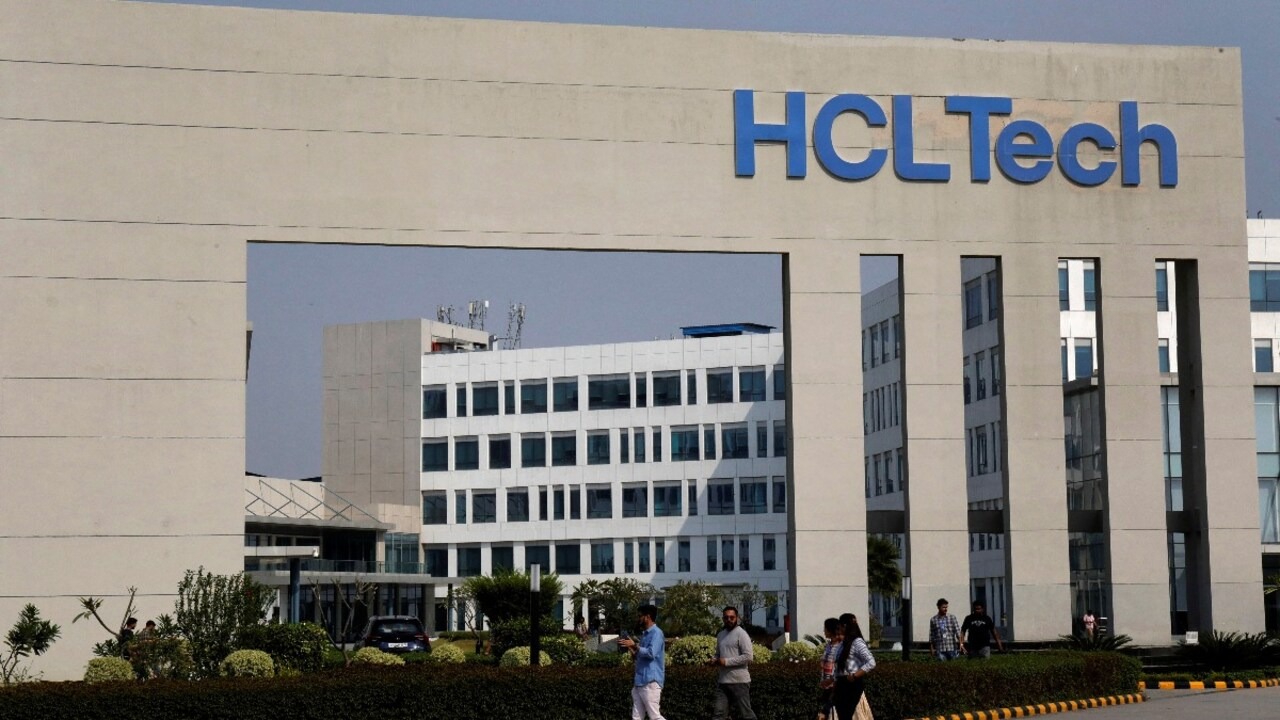
The rapid rise of artificial intelligence may be reshaping the global technology landscape, but the Indian IT industry is far from obsolete, according to C Vijayakumar, CEO and Managing Director of HCLTech.
Speaking at the Nasscom Technology and Leadership Forum, Vijayakumar acknowledged that the industry is undergoing a “painful transition” as AI transforms traditional workflows. However, he dismissed suggestions that the $283-billion Indian IT sector could fade away in the coming decades.
His remarks come days after Indian-American venture capitalist Vinod Khosla warned that artificial intelligence could make traditional employment models redundant and severely disrupt India’s outsourcing-led IT ecosystem. The debate has intensified amid rapid advancements in AI-driven “agentic” systems, including developments by companies such as Anthropic, which are building high-reasoning models capable of handling complex cognitive tasks.
Vijayakumar countered the pessimism, stating that the IT industry is poised to reinvent itself rather than disappear. “This transition is different from previous ones. A lot of what people do today can be done more efficiently and at greater speed using AI. It will be painful because it involves people and jobs, but there is a promising road ahead,” he said during a fireside chat with Noshir Kaka, Senior Partner at McKinsey & Company.
He noted that value creation in the AI ecosystem will not be evenly distributed. Multiple layers—including semiconductor manufacturers, OEM players, hyperscalers, SaaS firms, frontier AI model companies, and service providers—are all part of the evolving stack. Over the long term, he believes significant value will accrue to frontier AI companies and service providers that deeply understand enterprise operations.
According to Vijayakumar, service firms hold a critical advantage because they possess strong enterprise context—from regulatory frameworks and operational complexity to industry-specific workflows. This expertise will be key in translating AI capabilities into real-world business outcomes.
However, he cautioned that enterprises face a major challenge: the gap between the rapid pace of technological innovation and its actual implementation. “There is a big lag between how fast technology is evolving and how it is getting deployed at the enterprise level. That is where the real challenge lies,” he said.
While acknowledging short-term disruptions, Vijayakumar’s message was clear—AI may redefine the rules, but it will not write the obituary of India’s IT industry.
HCLTech CEO Says AI Shift ‘Painful,’ but IT Industry Will Reinvent Itself