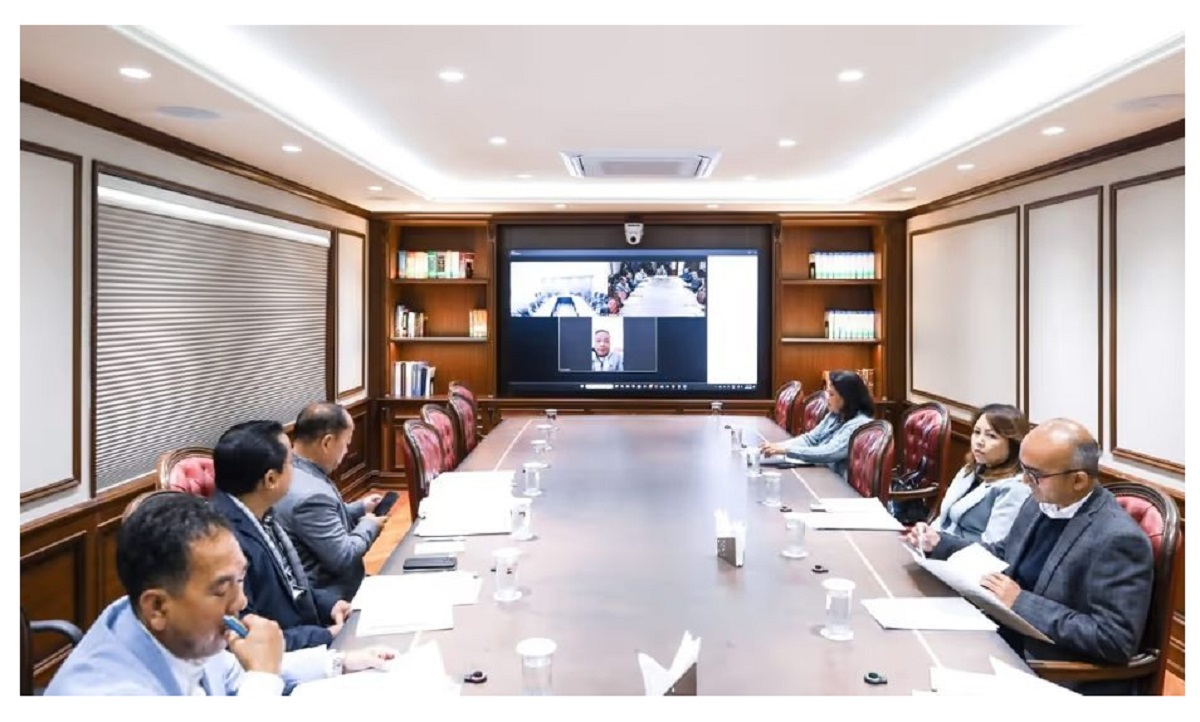
The Expert Committee on Reservation Policy, which tabled its report in the Meghalaya Assembly on Wednesday, recommended that the 1972 Reservation Policy should stay unchanged. The panel, which made its recommendation after months of wide-ranging consultations across the state, opted for constitutional fidelity, stakeholders’ voices, and hard evidence rather than pressure or populism. The committee found that most stakeholders — from tribal bodies and civil society groups to ordinary citizens who submitted views — wanted the existing framework to continue without major overhaul. The report adhered to a basic principle: “reservation in government jobs must never rest only on how many people each tribe or community has in the population. Instead, it should always be guided by deeper constitutional tests — whether a group faces social and educational backwardness, carries the burden of historical injustice, or remains poorly represented in public services.” The committee was equally firm on a point that had stirred debate: reservation cannot be granted on the basis of religion. It stated that the Constitution allows affirmative action only for sociology-economic disadvantage and under-representation, never for religious identity.
On the question of Economically Weaker Sections (EWS) quota, the panel said it is a separate category created by the Constitution and should not be extended to Scheduled Castes, Scheduled Tribes or Other Backward Classes, which already enjoy their own reserved spaces. One practical change the committee did suggest was to extend the “carry forward” rule for unfilled reserved vacancies from one year to three years. Courts have already approved longer carry-forward periods elsewhere, and the committee believed three years would help clear the backlog more effectively without distorting the system.
It also opened the door to the idea of sub-classification inside reserved categories, but only if the government first gathers solid, detailed, quantifiable data showing genuine need. For persons with disabilities, the committee found no gap to fill. Existing laws — especially the Rights of Persons with Disabilities Act, 2016 — along with Meghalaya’s own government orders already provide sufficient safeguards and quotas, it said. In a forward-looking recommendation, the committee pointed to the educational challenges in Garo Hills and urged the state to step in with focused programmes that raise teaching quality and student performance. The committee called for strict, transparent enforcement of the reservation roster in every appointment process.